

WELCOME!
Empirically Based Taiji
Reflecting the teachings of Master Zhang Youngliang, with translations of theory and usage from noted masters.
.
LATEST POSTS
-
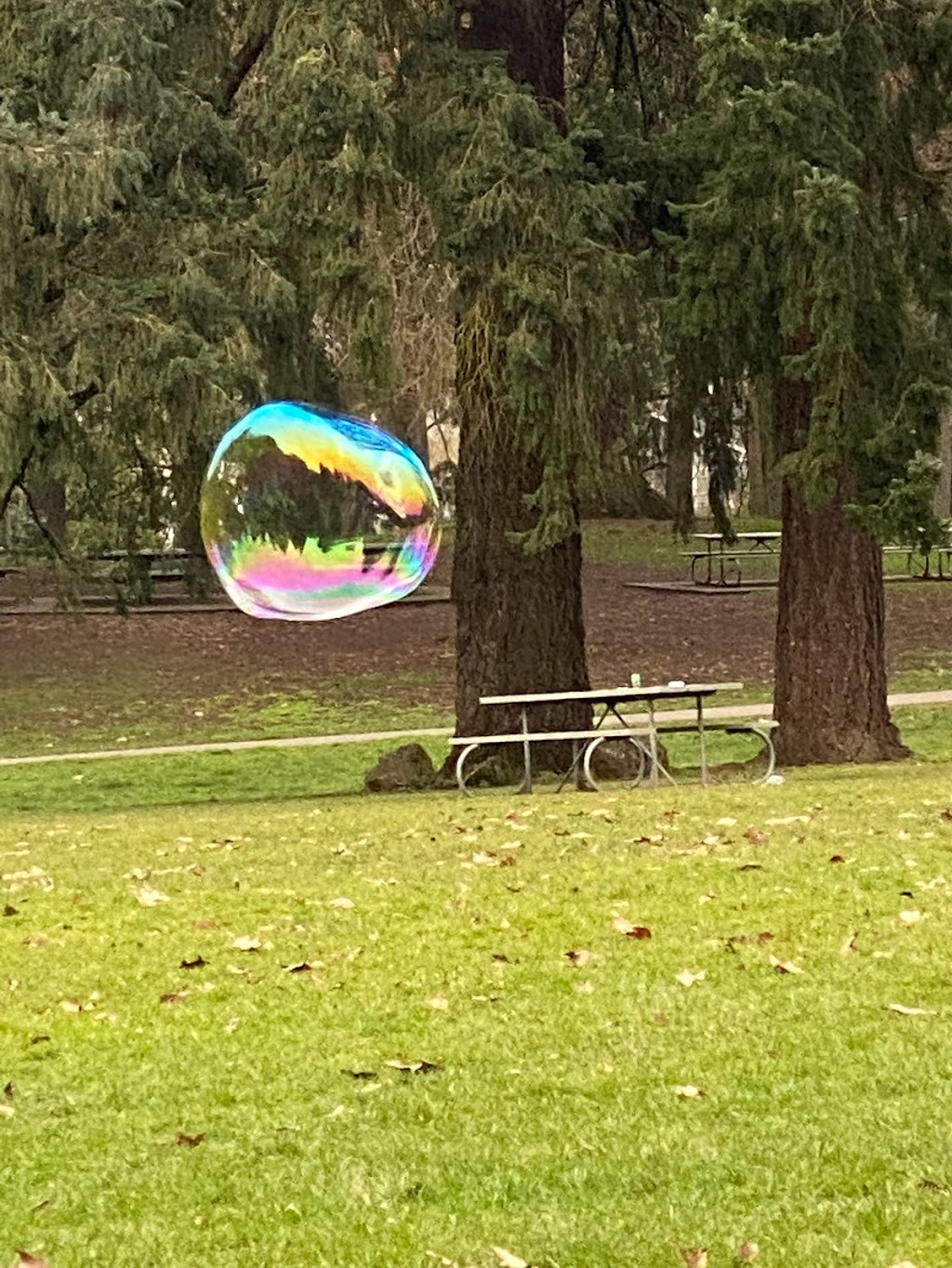
Three Qi Fields — Spherical Body
Based on the teachings of Wang Yongquan and the practice of Zhang Yongliang Overview Taiji is spherical in character. The practice of Taijiquan cultivates a body that embodies spherical qualities — not as a perfect geometric sphere, but as a body organized around a vertical axis, with qi fields (气圈) radiating outward and intention (意)…
-

Empty Sleeve
Many years after my teacher showed me the empty sleeve, I came across Wang Yongquan’s explanation of 开合相寓 (kāi-hé xiāng yù) — opening and closing mutually containing one another. His words gave language to an experience my teacher had demonstrated years before. Only then did I begin to understand what my teacher had been trying…
-

Foundations of Internal Practice – empty circle taiji
Exploring structure, energy, and awareness through the lens of the Six Harmonies The Six Harmonies (六合) have long been referenced in both martial and Daoist traditions as a framework for unifying external structure with internal awareness. A way to approach the gradual shift from external coordination, to internal integration — Three External Harmonies (外三合) –…
-

The Thread of Awareness
The Empty Thread: Understanding Internal Connection In some Taiji lineages, you’ll hear the phrase “pulling silk” whispered like a riddle. Others speak of “winding silk,” full of spirals and coils. Both metaphors point toward the internal engine of Taiji—but depending on what you’re training for, they lead in different directions. For those exploring Kōng Jìn…
-
Empty Circle 太极 (Kōng Yuán Tàijí)
Empty Circle 太极 (Kōng Yuán Tàijí)A Perspective on Practice and Strategy The name Empty Circle reflects two core images in Taiji: the circle of continual change, and the emptiness that allows movement to arise freely. In Daoist and Taiji thought, emptiness (空) is not absence, but openness. The space through which function appears. A Way…
-

Yi (意)
This is called Yi (意)—don’t think about it, don’t try to practice it, don’t force it. In time, it will come, and you will know it. This was my response when asked what I felt from some of the practitioners in our group. The sensation was unmistakable, yet difficult to define. A key component of…
FOLLOW
Facebook
Twitter
Instagram
INFO
About
Contact
WELLNESS TIPS NEWSLETTER
Sign up for free and be the first to get notified about updates.

